An AA Ticket Repricing Win: 15 Minutes, $150 Back
Airline fares can be volatile. 15 minutes with the Change Trip tool can turn dropped fares into trip credits worth hundreds. Here's how to do it.
American Airlines fares fluctuate constantly, and if a price drops after you book, the Change Trip tool can capture that difference as flight credit. Fifteen minutes of work across a few upcoming trips returned $150 in credits I can use on future travel.
Something most AA passengers don't do enough of: checking whether your already-booked flights have dropped in price. AA fare prices fluctuate constantly - sometimes daily - and if a fare drops after you book, you can often reprice the ticket to capture that difference as a trip credit toward future travel.
Not sure if it's worth your time? Just check out this example of a flight I tracked via Google Flights. $111 back to the lucky few that tracked their fares post booking.
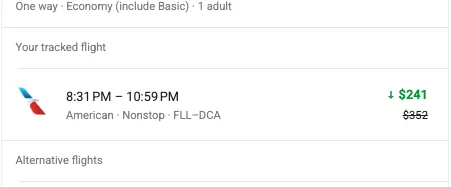
I checked a handful of paid AA flights I have coming up over the next few months, and in about 15 minutes total across all of them I ended up with $150+ in flight credits. That's a straight cash-equivalent that can be applied to my next AA booking, all from doing nothing more than clicking through the Change Trip tool.
Here's how to do the same.
The Basic Reprice
Log into aa.com or the AA app, pull up your upcoming reservation, and click "Change Trip." Search for the same route and dates you already have booked. Check carefully to make sure to time and date match! If AA shows the current fare as lower than what you originally paid, you can select that fare, complete the change, and receive the difference as a trip credit.
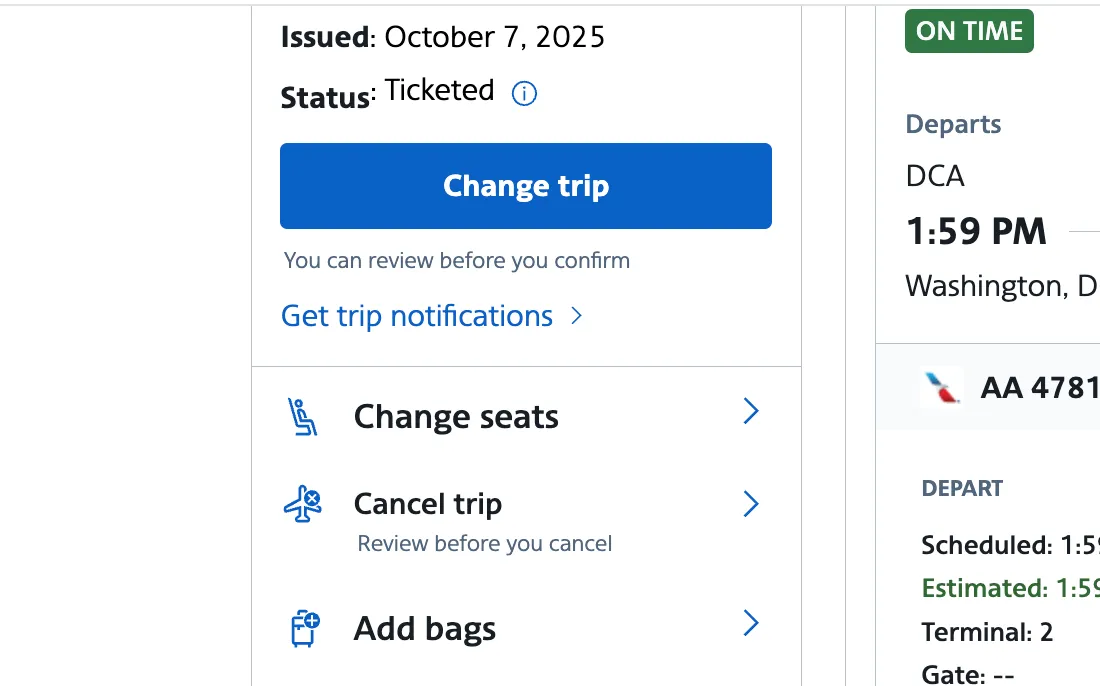
This works well when the current price is lower in the same class you already booked. AA processes the change, keeps your existing ticket in place, and issues you a credit for the difference.
When the Self-Service Tool Won't Work
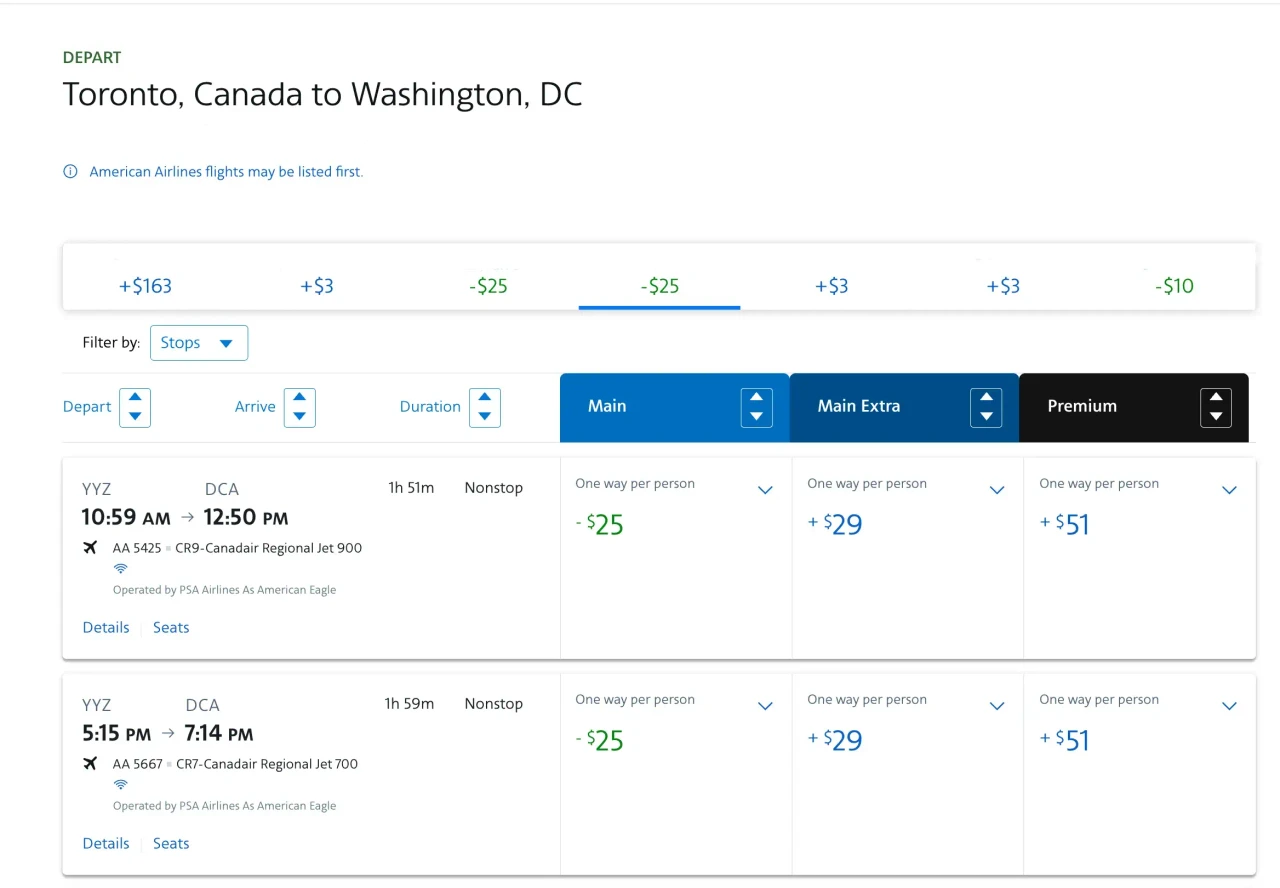
Sometimes the self-service tool won't let you reprice to a lower fare in your existing class. In those cases you have a couple of options.
Call or message AA. Explain that you're seeing a lower fare on your route and want to reprice. Agents can generally do this without a fee on tickets that qualify. This typically requires a phone call or message.
Musical chairs the fare classes. This is the workaround I've used. Recently I had a flight to Canada I'd booked in Main Cabin at $240. AA dropped the Main Cabin fare on that same flight to $160, and First Class to $200. The self-service tool wouldn't let me reprice from my $240 Main Cabin ticket down to the $160 Main Cabin fare.
InsteadI changed the ticket first to First Class at $185 - which the system allowed as it was still a change from what I originally booked. That triggered a $55 trip credit. Then I made a second change back down to Main Cabin at $160, which generated a second trip credit of $25. I was back in the same seat as my original booking but with $80 in trip credits.
Sure it's two credits instead of one, but that's not really a problem. You can apply multiple trip credits to a single AA booking.

Miles Tickets Work Similarly, With More Friction
The Change Trip interface works for miles tickets too, but the mechanics are more finicky. Repricing an award ticket when miles prices drop is possible but often requires calling in. The nuclear option for miles tickets is cancel and rebook. If the new miles price is significantly lower than what you originally paid, canceling gets your miles back to your account and you can rebook at the current rate. The risk is that the fare you're eyeing might not still be available by the time you complete the cancel and search cycle. You could also run into a delayed return of your original miles. It's a judgment call whether the potential savings justify that risk.
What "Trip Credit" Actually Is (And Isn't)
Quick clarification because AA uses two similar terms:
Trip credit is what you get from repricing or canceling most fares. It's usable toward future AA-operated bookings, is tied to your AAdvantage account, and generally expires one year from. Multiple trip credits can be applied to a single booking.
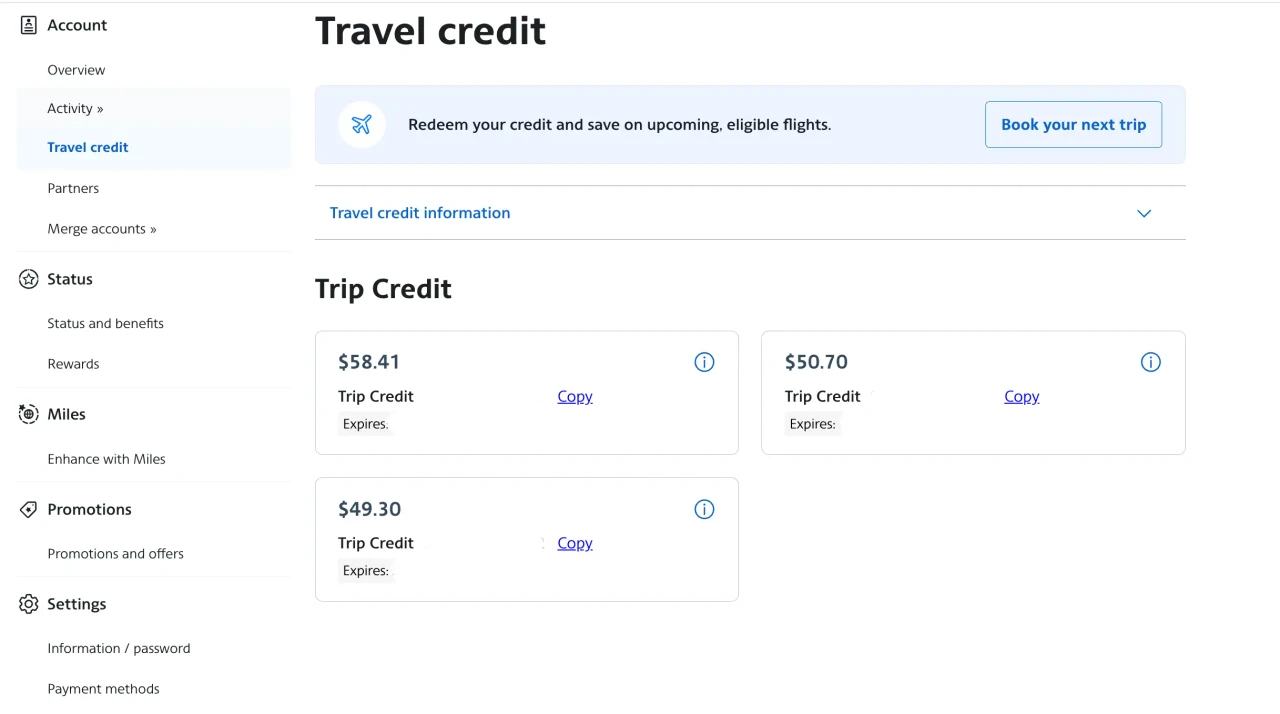
Travel credit is a different (though related) product AA issues in specific circumstances. These include some flight cancellations, involuntary schedule changes with significant impact, and more. Travel credit tends to have different terms and slightly different application rules.
Both can be found in the wallet section of your AAdvantage account
How Often Is This Worth Doing?
For any AA cash booking made more than a couple weeks in advance, checking for a price drop periodically is worth while. Tools like Google Flights even allow you to track and be alerted to these drops.
Fares tend to move around, especially as departure dates get closer and airlines adjusts Across a year of regular flying, the compound value of consistent repricing can easily add up to several hundred dollars in trip credits.
Have a few minutes to spare? It's certainly worth a look.
Related: AA Miles Upgrades: Why the Math Rarely Works · AAdvantage Miles or Cash? How to Decide