The Malta at War Museum: A Powerful Stop in Birgu
A visit to the Malta at War Museum in Birgu, Malta - WWII history, artifact-filled exhibits, and an authentic underground air-raid shelter you explore.
A quick report on one of the more powerful museum visits in Malta. The Malta at War Museum in Birgu (Vittoriosa) combines a well-curated above-ground exhibition on Malta's WWII experience with an authentic underground air-raid shelter you can explore wearing a hard hat. Highly worth the visit.
Malta played an outsized role in World War II. Sitting at the strategic center of the Mediterranean, the island became a British stronghold that was subject to some of the most sustained bombing of the entire war - over 3,000 air raids between 1940 and 1943. The Maltese people and their defenders received the George Cross collectively in recognition of the civilian bravery during the siege. Vittoriosa (Birgu) specifically, as the former home of the Royal Navy in Malta, was one of the most heavily bombed areas on the island.
The Malta at War Museum captures all of that and was one of the highlights of the Malta portion of my trip.
Where It Is
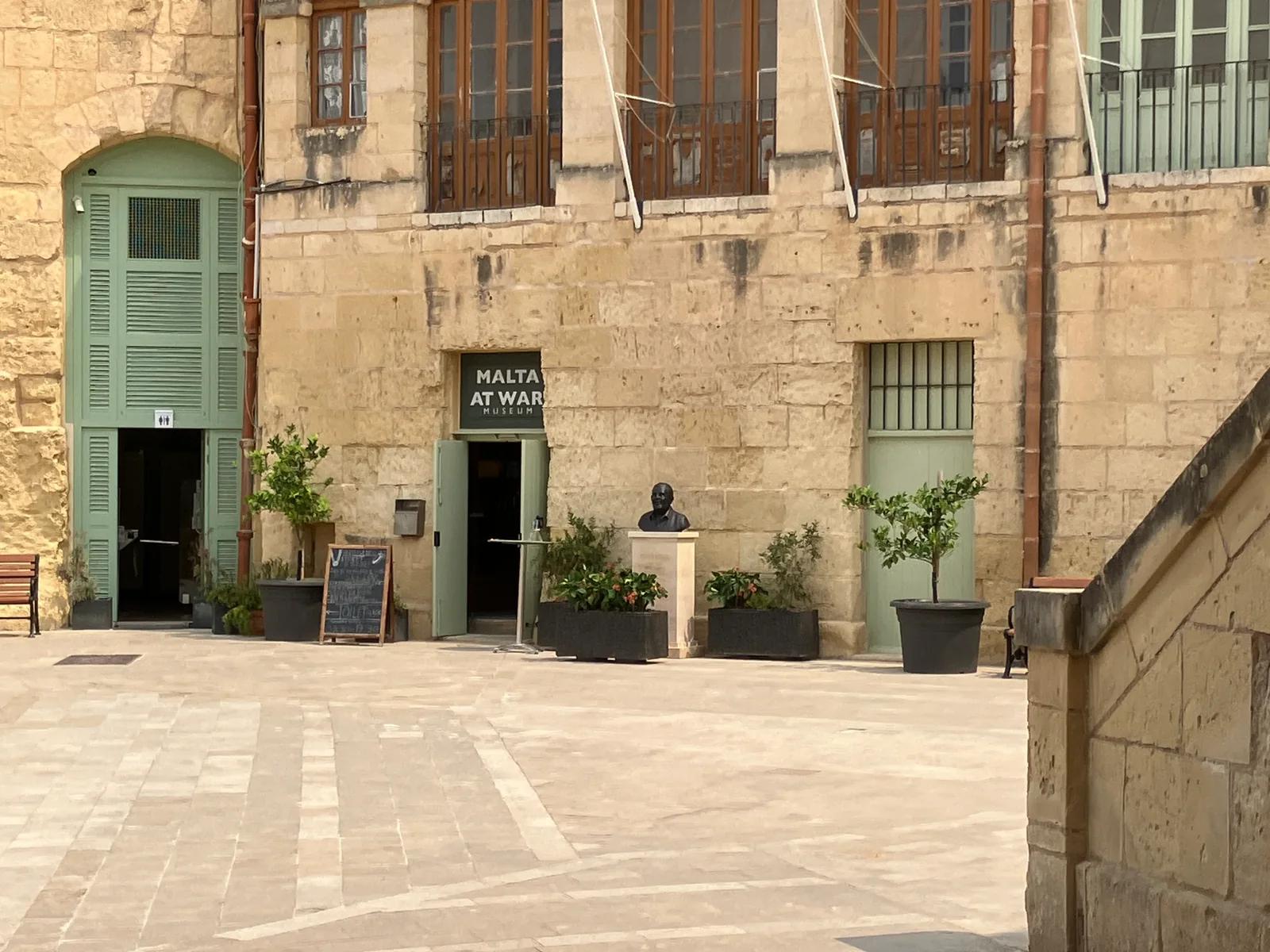
Location: Couvre Porte Gate, Vittoriosa (Birgu) BRG1810, Malta
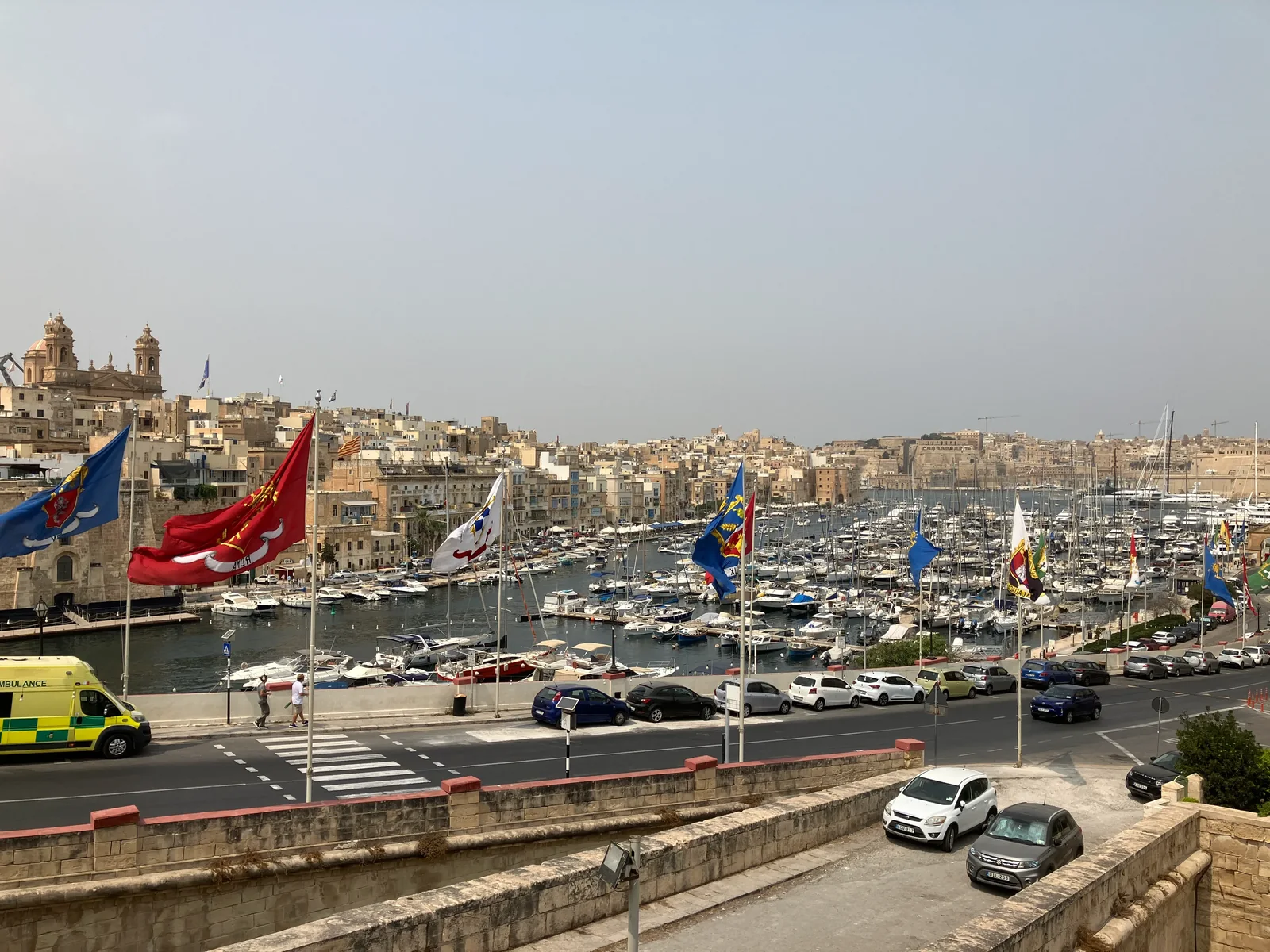
The museum sits at the historic entrance to Vittoriosa, one of the Three Cities across the Grand Harbour from Valletta. Getting there from Valletta:
- Ferry: The harbour ferry runs every 15 minutes from Lascaris Quay in Valletta directly across to Vittoriosa. The boat stop is about a 10-minute walk from the museum.
- Bus: Multiple routes from Valletta connect to the Cottonera area with the museum near the bus interchange.
- Car: Follow signs to Cottonera (Three Cities) and then to Vittoriosa.
The entrance area offers some great views of the area and Valletta beyond.
Hours and Tickets
Hours: Monday-Saturday 09:30-17:30 (last admission 17:00). The museum is closed Sundays and select holidays including Christmas Day, Good Friday, and Easter.
Tickets:
- Adults: €14
- Seniors: €12
- Children (5-15): €7
- Family (2 adults + 3 children under 16): €28
It is important to note that the museum is cashless with card payment only for on-site purchases. Buying tickets online in advance is recommended, particularly during peak season.
The Layout - Starting From the Back
Here's a practical tip: the museum layout works best if you start from the back and work forward. The exhibits are organized somewhat chronologically, and following the intended narrative flow means starting at the far end and working your way back toward the entrance.
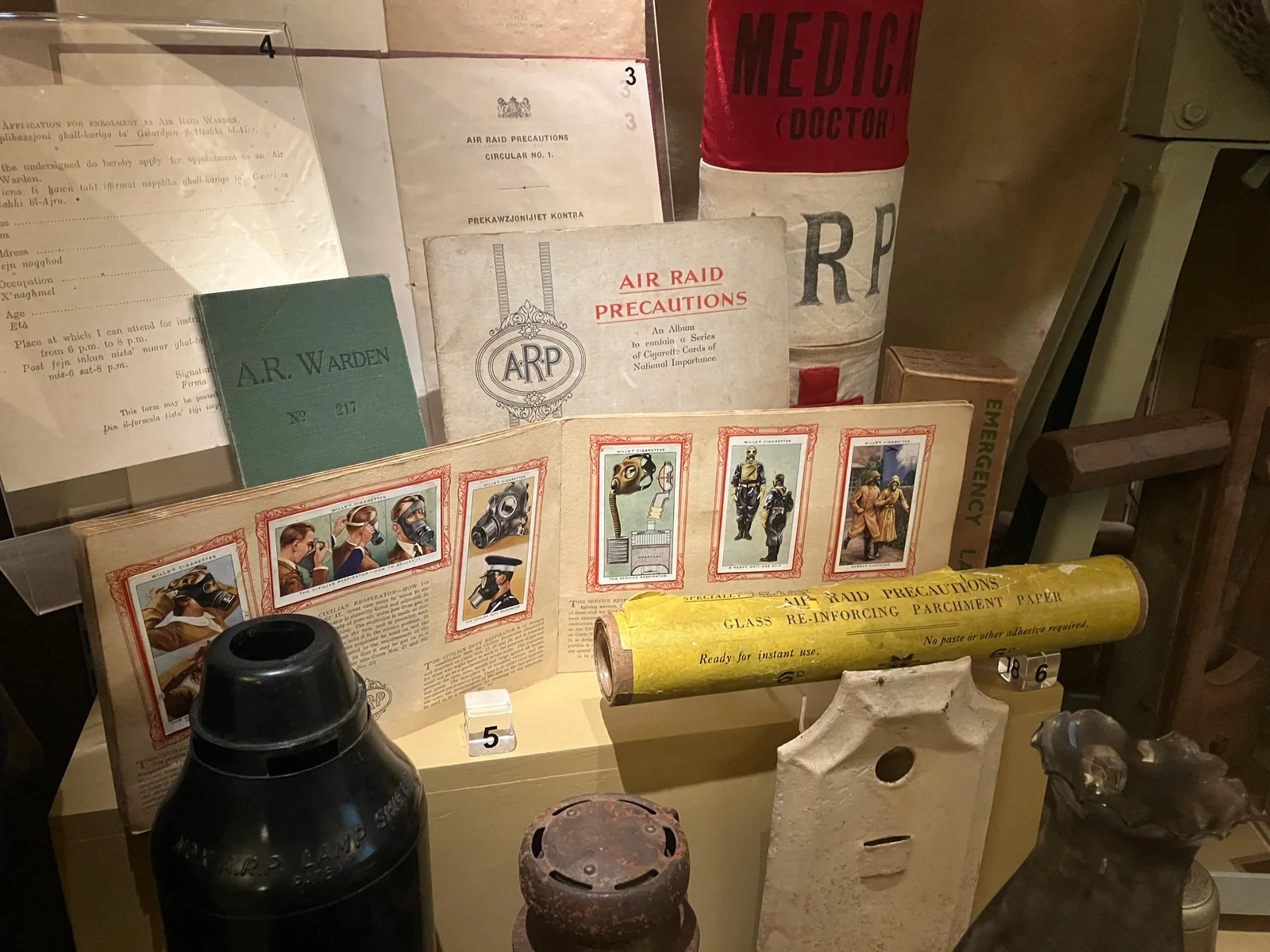
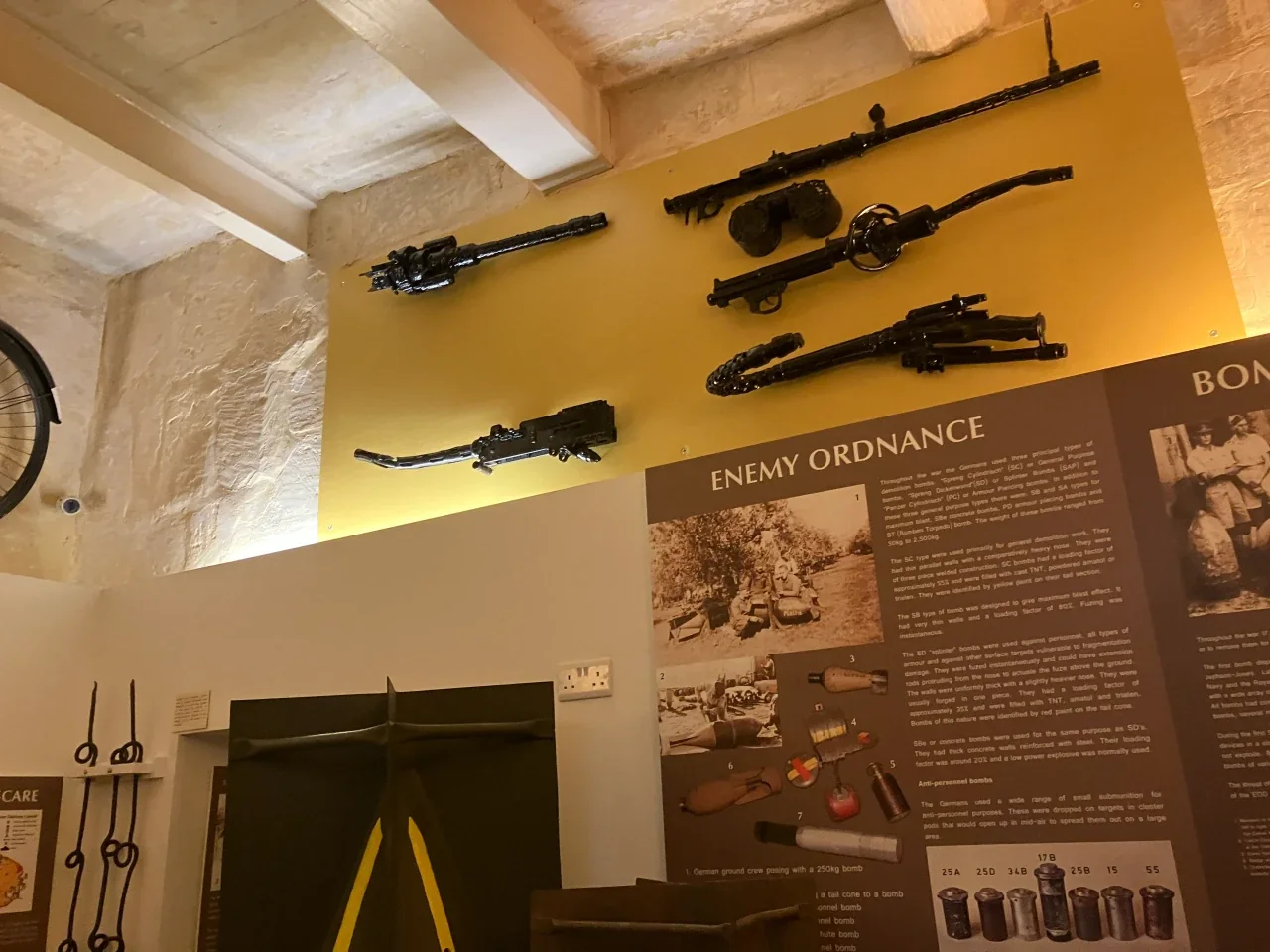
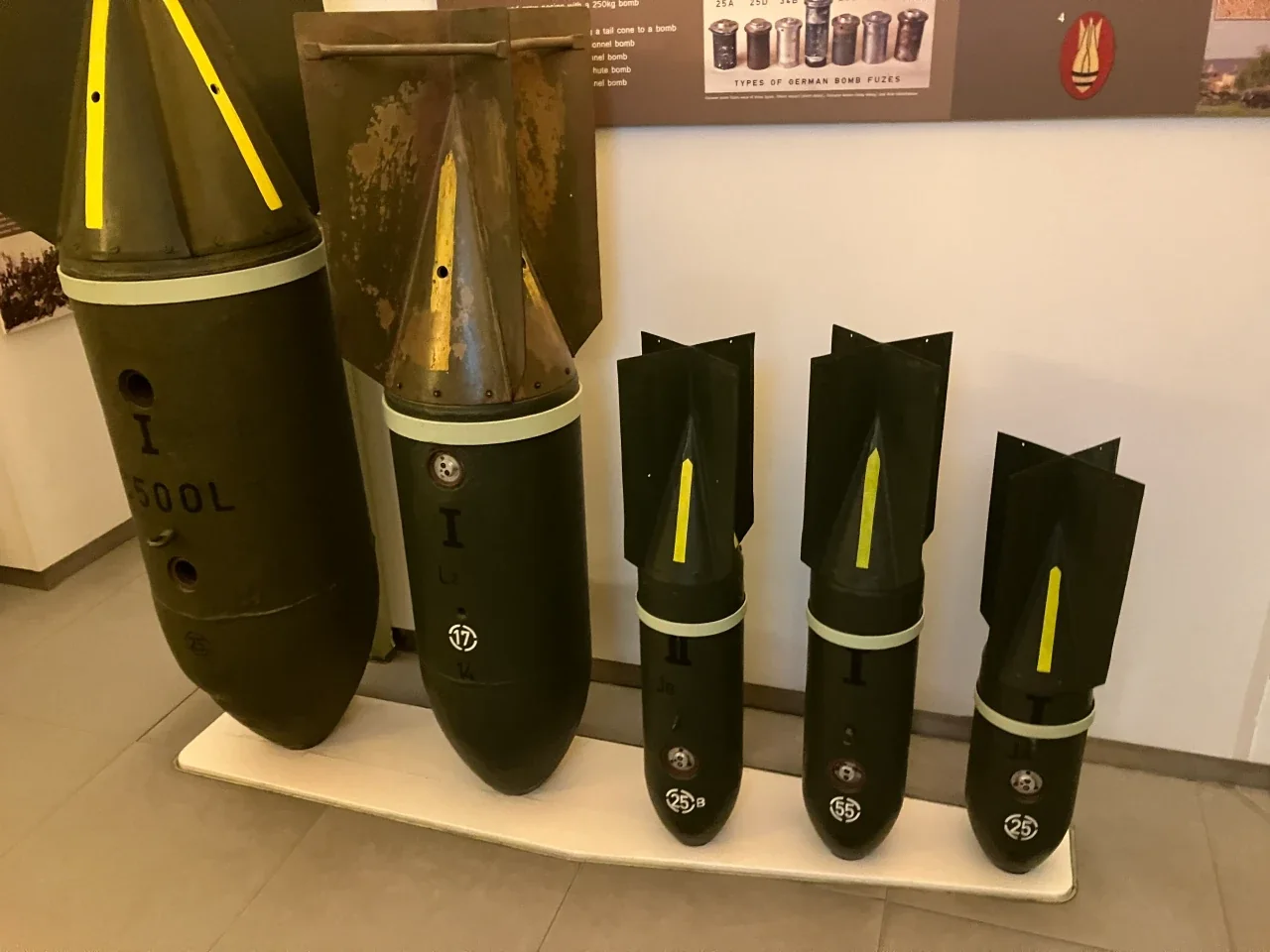
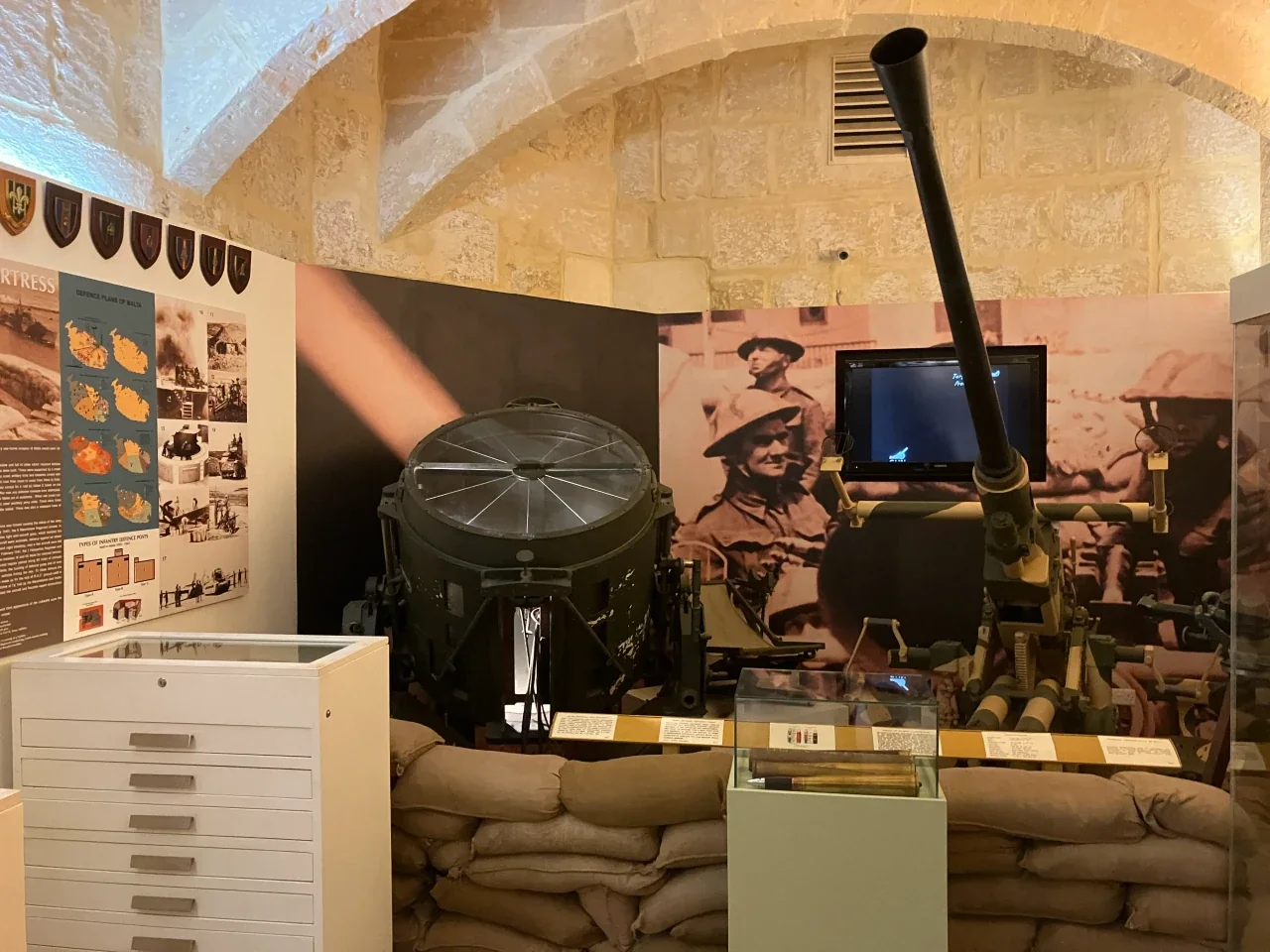
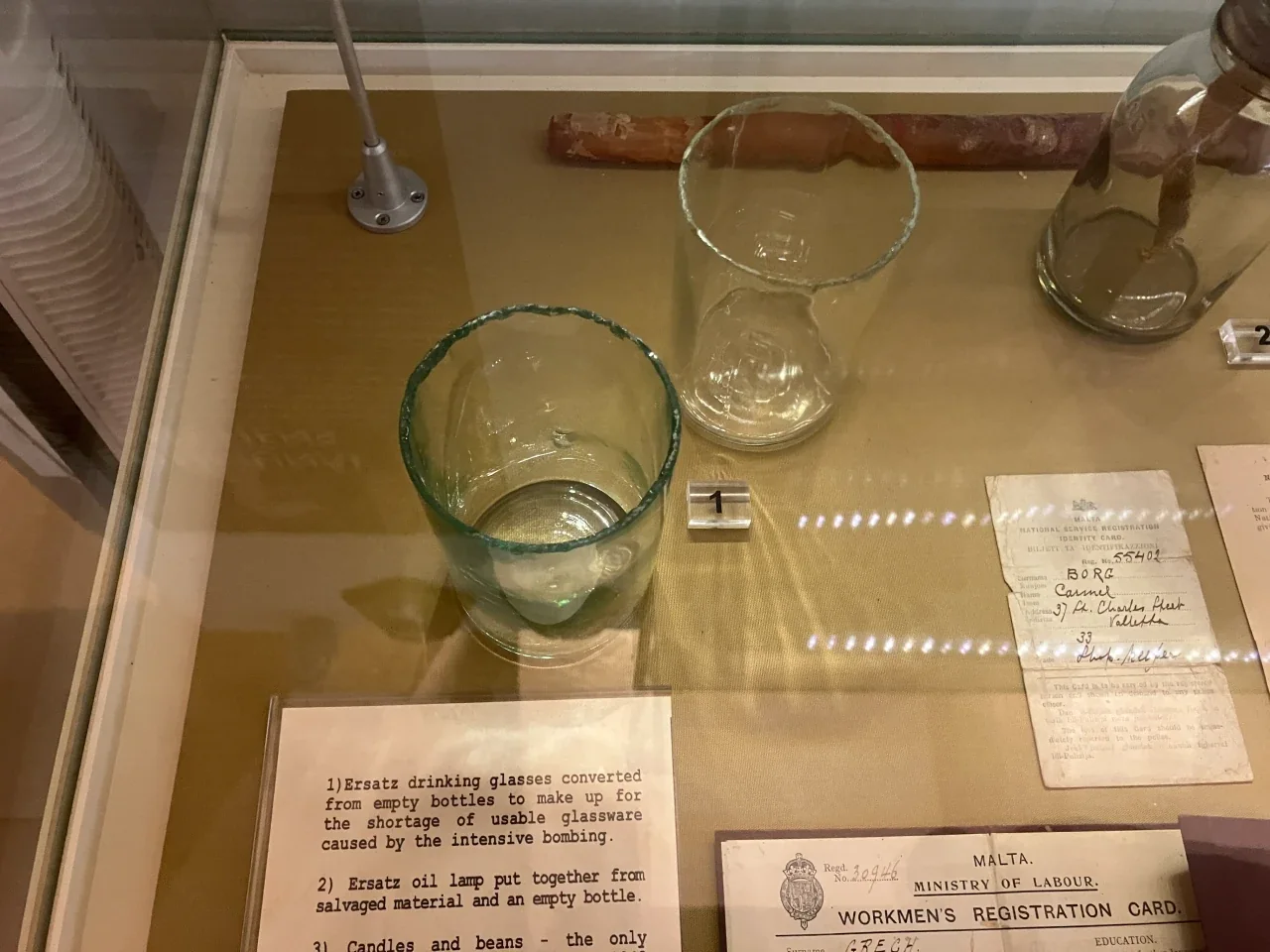
The above-ground exhibits fill nine curated galleries with over 5,000 artifacts. The depth of material goes deep and includes everything from uniforms, medals, weaponry, documents, personal belongings, and photographs that go well beyond the standard military museum fare. The focus on civilian experience during the Blitz is particularly compelling. The space isn’t just about the battles; but rather what daily life looked like during three years of near-continuous bombing.
Artifacts are supplemented by textual displays that provide context without being overwhelming.
The Underground Portion - Hard Hats Required
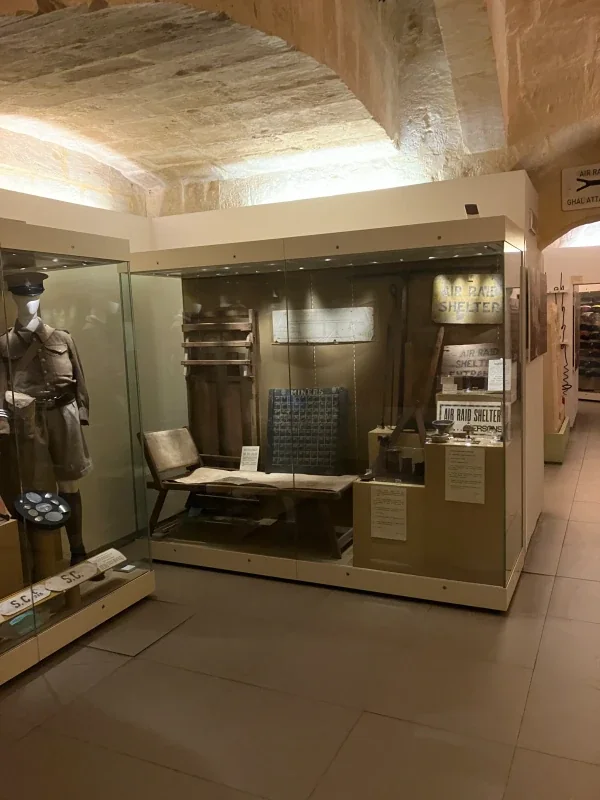
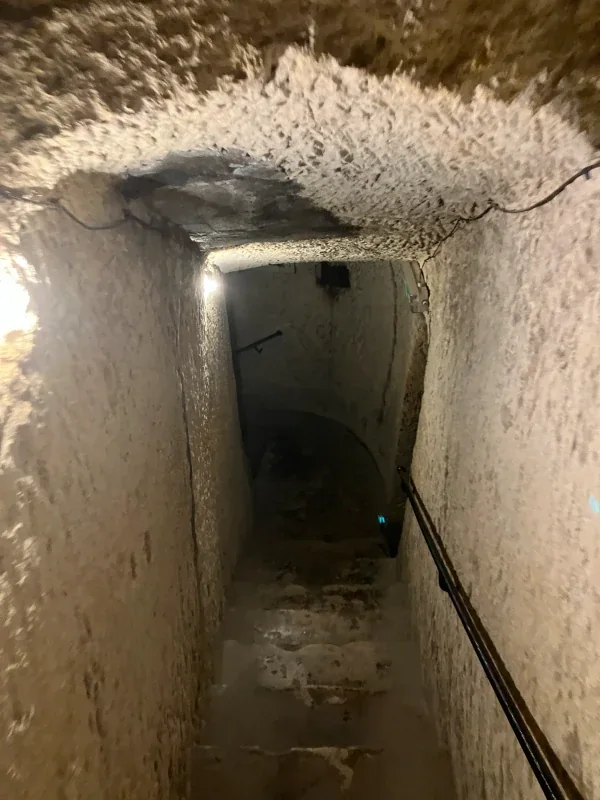
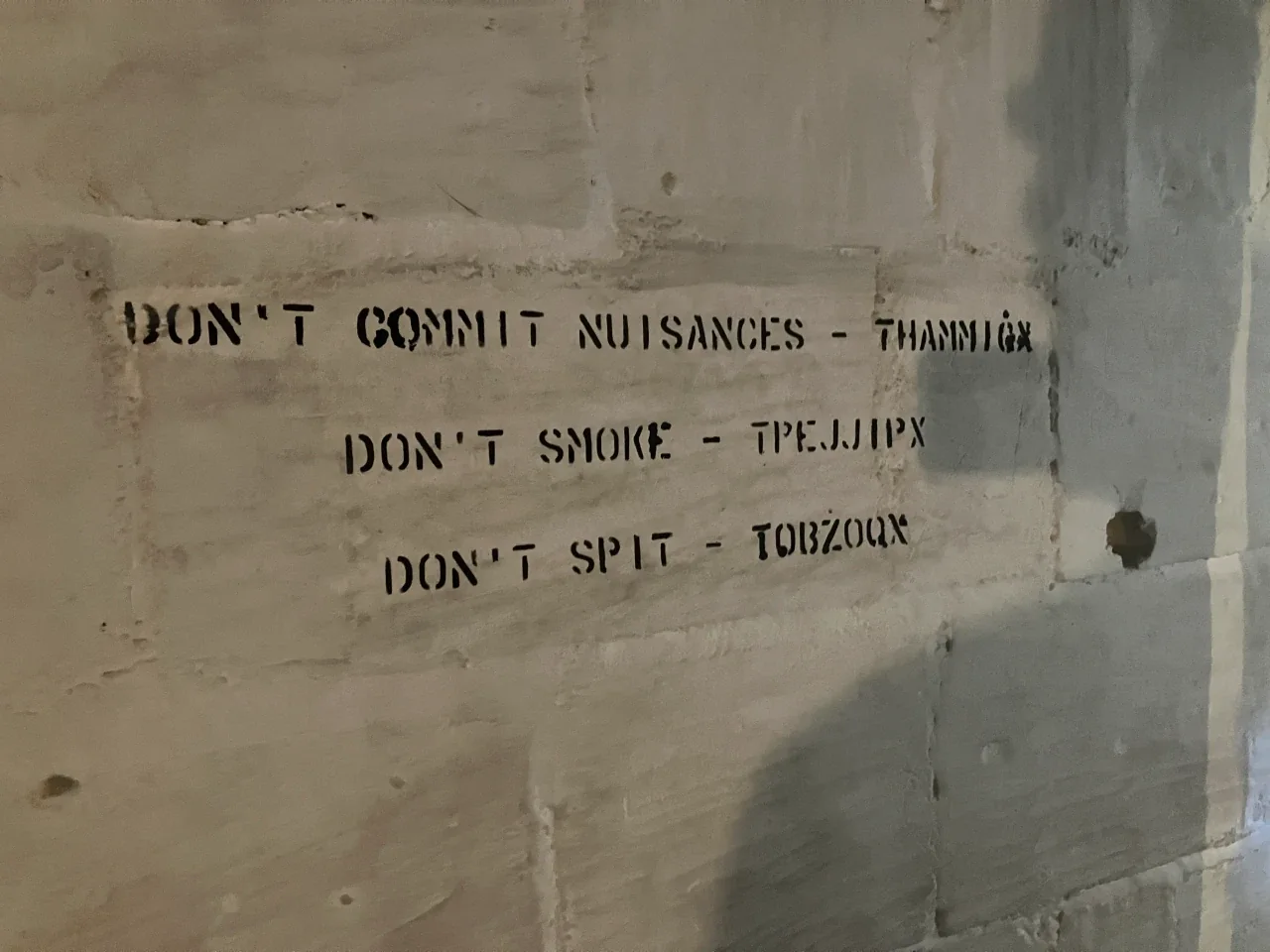
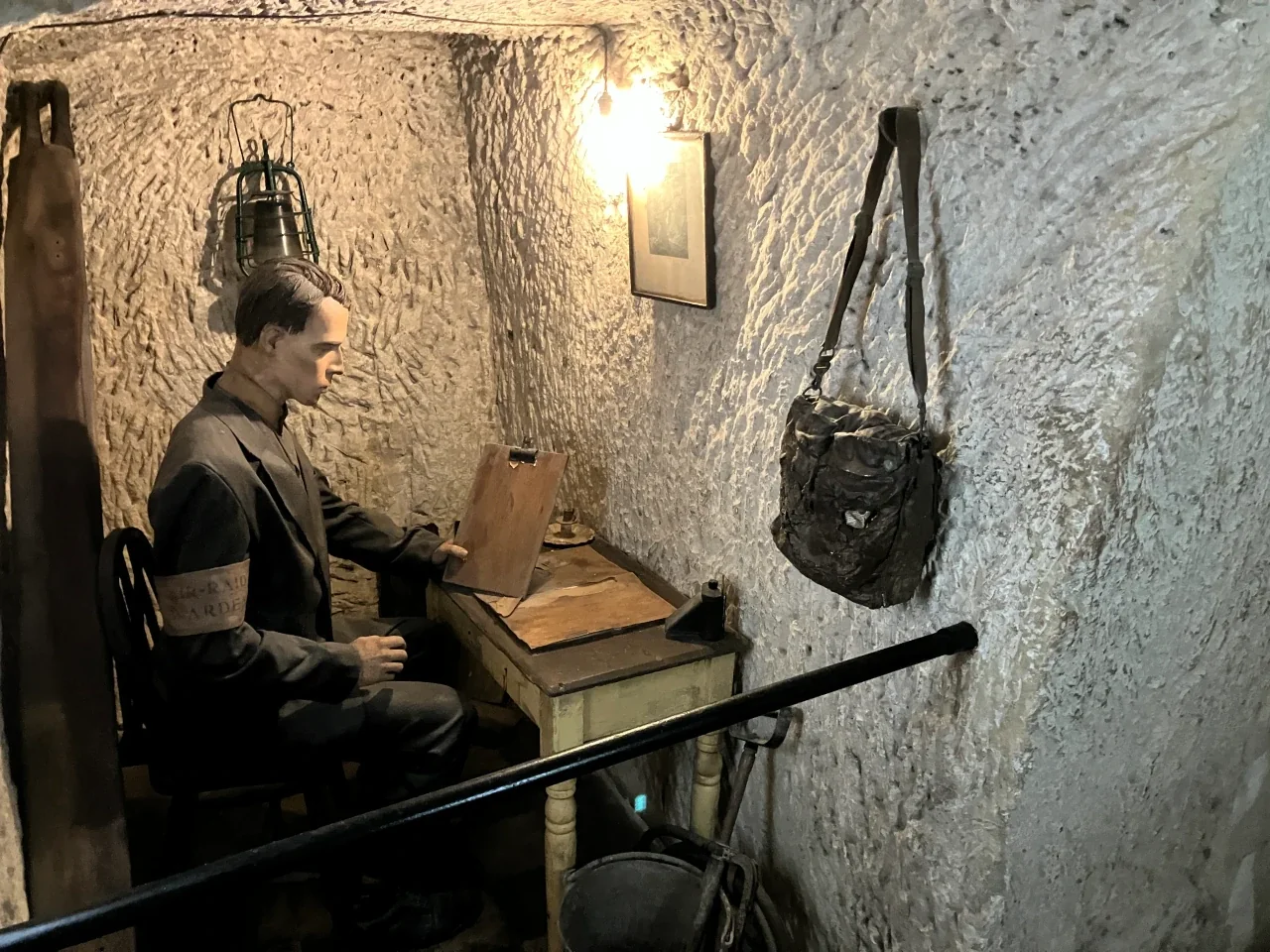
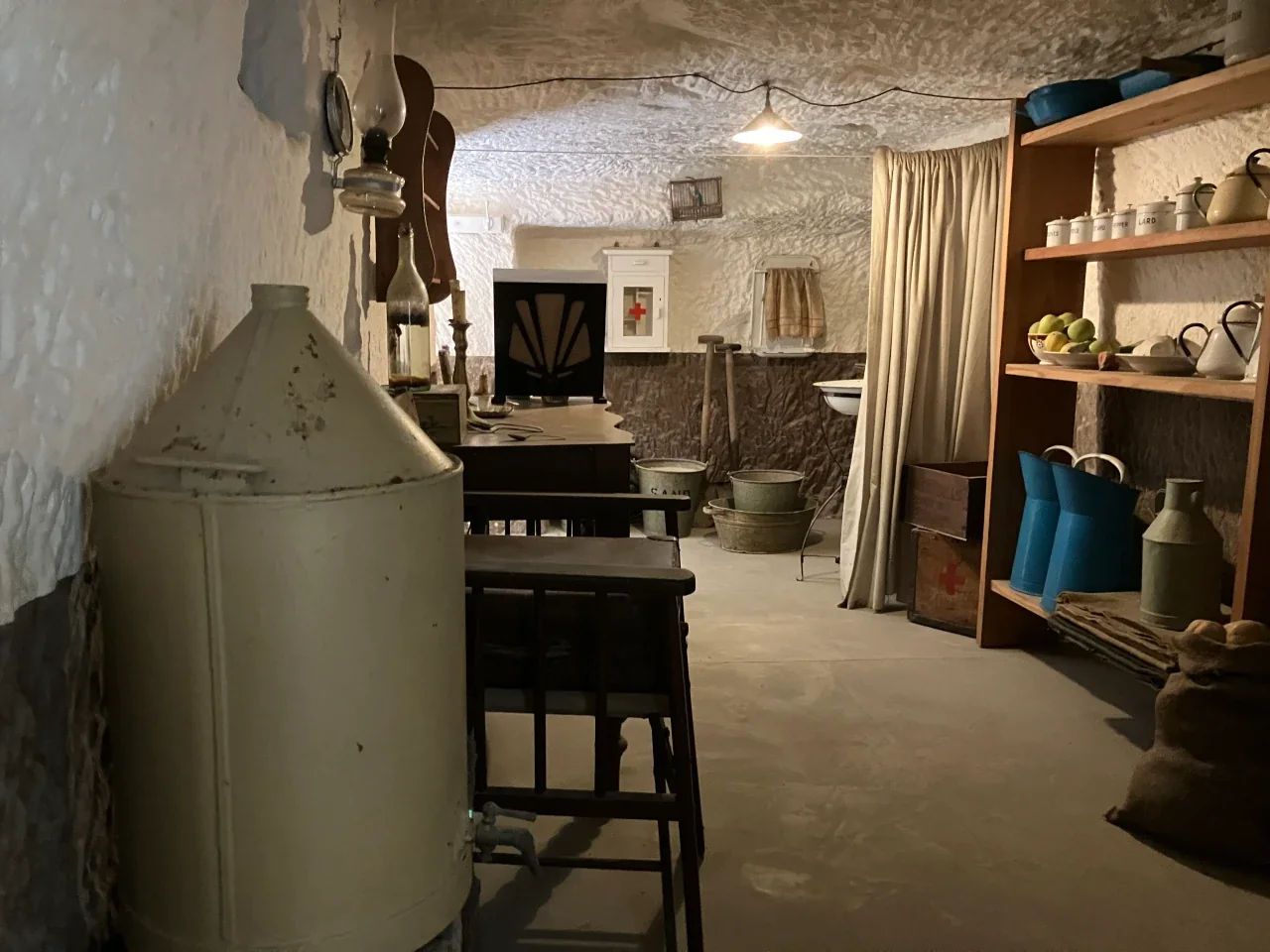
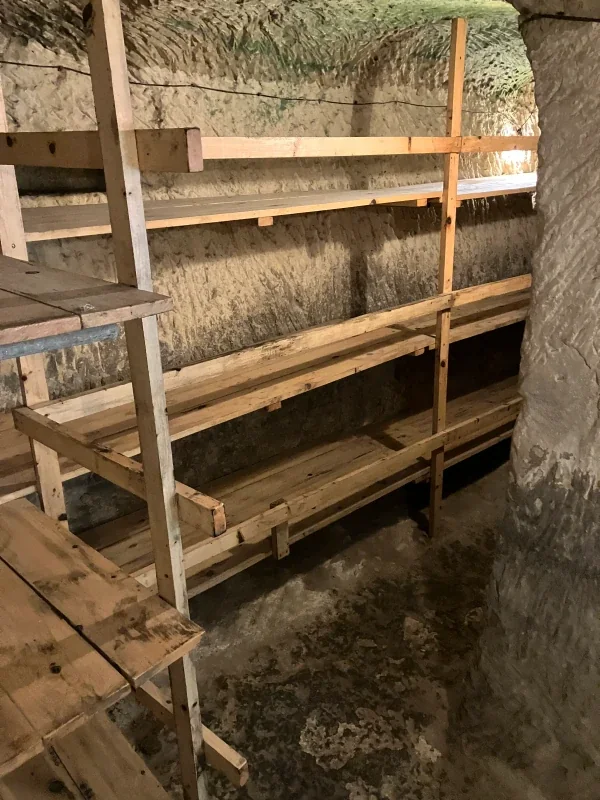
The real highlight of the visit is the underground portion. Beneath the museum is an authentic rock-cut air-raid shelter that Maltese civilians used during the war. The museum has preserved it and opened it as part of the visitor experience.
You'll be issued a hard hat before entering. Based on how many times I hit the ceiling, it’s not for show! The ceilings are low in places and many passages are narrow enough that you'll appreciate the head protection.
Walking through the actual shelter that hundreds of civilians used during the bombing raids is a different kind of museum experience. You see where families lived, where they slept, how basic sanitation was managed, and where the community organized survival in the face of sustained attacks.
The rock-cut walls, the confined spaces, and the darkness (guides explain that shelters were historically lit using oil-soaked wicks and water in crevices) give you a physical sense of what those years actually meant.
Why It's Worth Visiting
Beyond the historical significance, a few things make this museum stand out:
- The scale of the collection. 5,000+ artifacts is substantial. You're not looking at a token exhibition - this is a proper museum.
- The civilian focus. Many WWII museums lean heavily on military hardware and battles. This one balances that with the civilian experience of the Malta siege.
- The underground shelter access. Few museums let you physically walk through a preserved air-raid shelter. It's a piece of the visit that I’ll remember longest.
Final Thoughts
If you're visiting Malta and interested in the country's history at all, the Malta at War Museum should be on your itinerary. The above-ground exhibits alone justify the €14 admission, and the underground shelter portion really turns it into an experience.
I highly recommend combining this with a broader visit to the Three Cities - the ferry across from Valletta, a walk through Vittoriosa's historic streets, and a stop at nearby sights like Fort St. Angelo or the Inquisitor's Palace all fit together well.
Part of the Malta With Love Series
| Post | Status |
|---|---|
| Malta With Love: Trip Preview | ✓ Published |
| The Bridge (Greenwich Lounge) JFK | ✓ Published |
| Finnair JFK–HEL AirLounge Business Class | ✓ Published |
| Finnair Schengen Lounge Helsinki | ✓ Published |
| Finnair HEL–FCO Intra-European Business | ✓ Published |
| Wizz Air FCO–MLA snapshot | ✓ Published |
| Hilton Malta review | Coming soon |
| Malta at War Museum | You are here |
| La Valette Lounge (MLA) | Coming soon |
| Art'otel Rome review | Coming soon |
| AA FCO–JFK 787-9 Business | Coming soon |
Related: Malta With Love: Trip Preview